Our World of Numbers
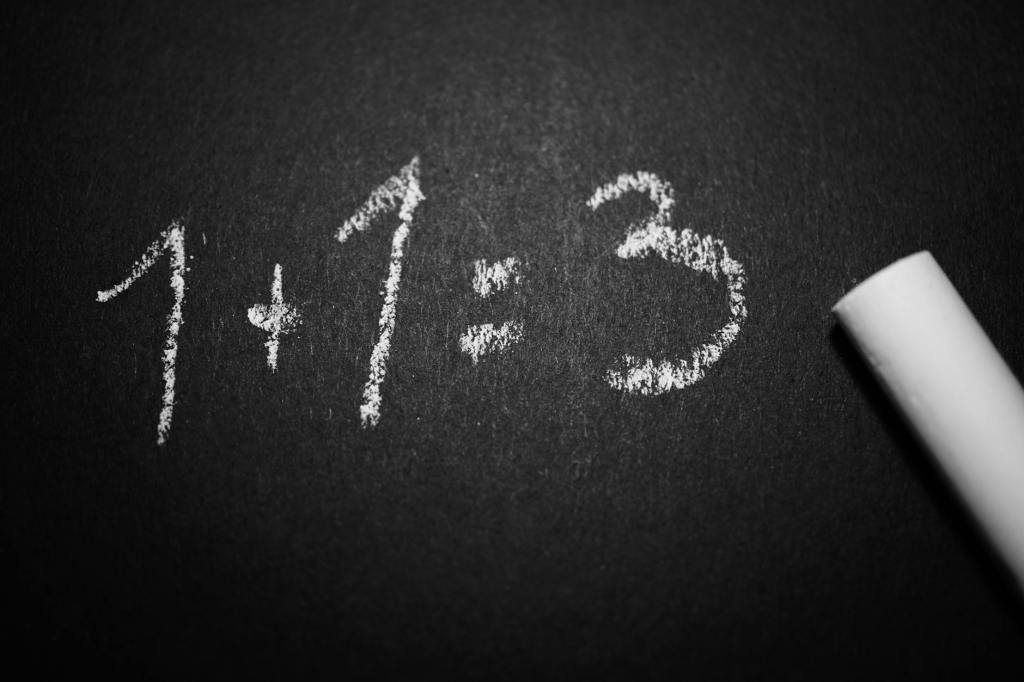
It’s been a while since I’ve shared a maths-related moment — not because they’ve stopped happening, but because they’ve simply become part of our everyday life. Numbers are woven into almost every conversation we have. They’re no longer “maths questions” to us; they’re just how we talk.
We count everything.
We time everything.
We measure everything.
I use numbers to my advantage. They distract my son, they engage him, they calm him. I use timers, ask questions, and turn ordinary moments into counting games. We track mileage, minutes, miles left, and time remaining. It’s only recently I’ve realised how much numbers shape our days. Take the other day, for example. It was just me and my son at home, and we needed to pick up a few things for his packed lunch. He hates going to the shop, so I usually send my mum, my husband, or leave him at home with someone if he lets me. But this time, there was no one else — and no food for tomorrow. So, I made it a challenge.
“I bet I can get round the shop in less than five minutes,” I said.
He liked that idea. “Okay,” he replied, “I’ll count in my head.”
And off we went. I dashed round the aisles like I was on Supermarket Sweep, scanning items at lightning speed while he quietly counted in his head but also spoke to me the whole way round. When we stepped outside, he looked at me and said…
“That was 3 minutes and 40 seconds.”
How does he count and talk at the same time? I know he’s not guessing, I know he is actually counting because at bedtime, he often asks me to stay for two more minutes. He’ll raise two fingers and say nothing more. I agree, wait what feels like two minutes, then tell him goodnight — but he always corrects me.
“It hasn’t been two minutes yet. You’ve got thirty seconds left.”
And sure enough, when I started timing him timing me, he was spot on. Every single time. Even while chatting away and fiddling on his iPad. His mind tracks time and numbers in a way I’ll never fully understand. It’s constant, it’s natural, it’s him. What amazes me most is how much of it happens silently — all in his head. He’s been able to read in his head since learning to read, which I’ve always found fascinating. Especially considering that, for a long time, he struggled to understand the difference between his real voice and the voice in his head (What is a daydream?).
Now, that same mind can keep time, count coins, read stories, and solve problems — all without saying a word. And all while saying lots of words.
A few days ago, we were sorting his football card swaps into bundles to sell. (Yes, he’s still selling things to try and make money.) We had 16 parallel cards and needed to share them equally. So, I asked him…
“What’s half of 16?”
Quick as a flash, he held up his fingers one by one — one, two, three — until he reached eight. And said nothing while doing this.
“It’s 8!”
At first, I couldn’t quite work out how he’d done it. This really puzzled me. How did he work out half of 16 by counting 8 fingers. Did he count up to 8? Did he count back from 16? I couldn’t work it out so I asked him and his explanation didn’t make sense to me, he said he already knew it was 8 and was just checking. He didn’t count out loud, and his explanation didn’t quite add up. But later that night it hit me — each finger had represented 2. He’d been silently counting in twos: 2, 4, 6, 8, 10, 12, 14, 16. Eight fingers, each worth two, made sixteen. He hadn’t needed to say it or even think through each step — his brain just knew what to do. I’m not even sure he knew how he did it. It was so simple and yet so smart, and it showed me again just how differently his brain works.
His mind doesn’t follow the straight lines we’re taught in school — it loops, jumps, and connects things in its own way. Understanding how he thinks helps me to help him. It lets me see the world a little more through his eyes — a world where everything can be counted, timed, or measured.
A world where numbers bring calm, even when nothing else can.

 The Questions of My Child
Leave a comment